Personal Fashion Blog…

The Ultimate Guide to Dressing according to Your Skin Tone (Men’s Edition)
The clothes we wear can say a lot about our personality, but did you know that the colors we choose to wear can also have a significant impact on how we look and feel? Every man has a unique skin tone, and wearing the right colors can enhance your natural features, make you look more attractive, and boost your confidence. However, with so many different colors to choose from, it can be challenging to know which ones work best for you. In this ultimate guide, we will help you navigate the world of dressing according to your skin tone, and provide you with expert tips on how to select the perfect colors for every occasion. Whether you have fair, medium, or dark skin, read on to learn how to choose colors that will make you look and feel your best.
1. The importance of dressing for your skin tone
Dressing according to your skin tone can make a huge difference in how you look and feel. The colors you wear can either complement your natural complexion or clash with it, making you look washed out or even sickly. This is why understanding your skin tone is crucial when it comes to dressing well.
Your skin tone is determined by the amount of melanin in your skin. Melanin is a pigment that gives your skin its color. Depending on how much melanin you have, your skin tone can range from fair to dark. Once you’ve determined your skin tone, you’ll be able to choose colors that complement it, enhancing your overall appearance.
For example, if you have a warm skin tone, colors like earthy browns, oranges, and yellows will look great on you. On the other hand, if you have a cool skin tone, colors like blues, purples, and greens will be more flattering.
Not only will dressing for your skin tone make you look better, but it will also boost your confidence. When you know you’re looking your best, you’ll feel more comfortable and self-assured in any situation. So, take the time to figure out your skin tone and start dressing accordingly. You’ll be amazed at the difference it can make.
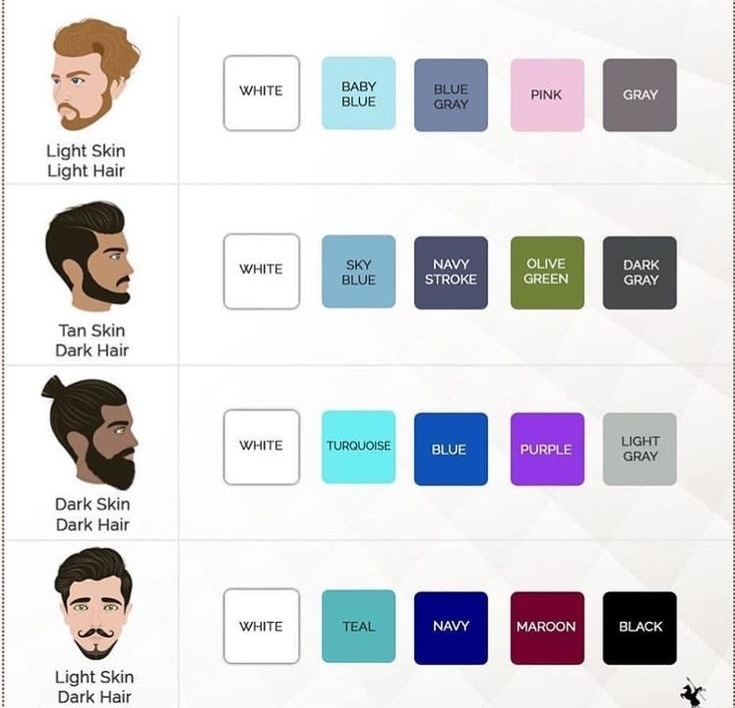
Right shirt colors for your skin tone.
2. How to determine your skin tone
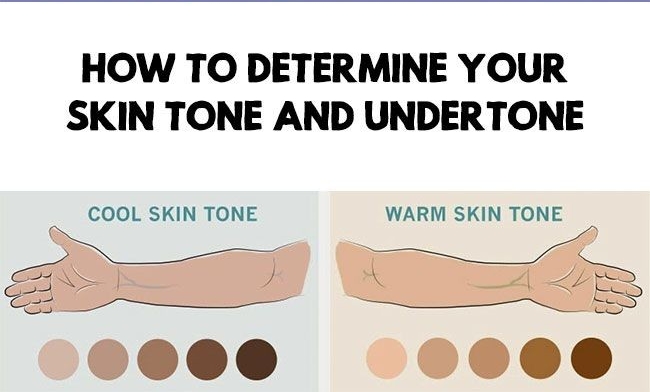
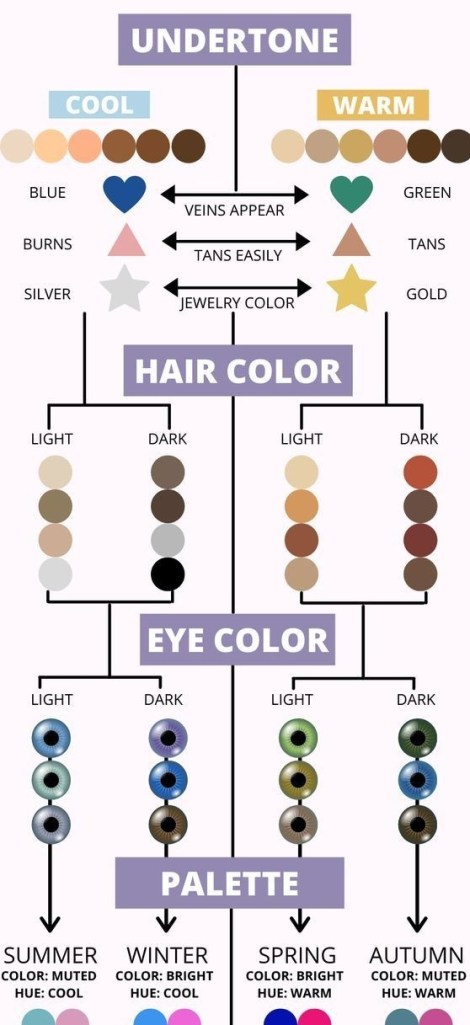
Determining your skin tone is the first step in dressing according to it. There are two main categories of skin tones: warm and cool. Warm skin tones have more yellow or golden undertones, while cool skin tones have more pink or blue undertones.
One quick and simple way to determine your skin tone is to look at the veins on the underside of your wrist. If they appear green, you likely have warm undertones. If they appear blue or purple, you likely have cool undertones.
Another way to determine your skin tone is by holding up various colors of clothing to your face and observing how they make your skin look. If you look best in earthy colors like browns, oranges, and greens, you likely have warm undertones. If you look best in jewel tones like blues, purples, and pinks, you likely have cool undertones.
It’s important to note that skin tone can also be influenced by factors such as sun exposure and skin conditions, so it’s always a good idea to consult with a professional if you’re unsure. Once you’ve determined your skin tone, you can start building a wardrobe that complements and enhances your natural complexion.
3. The four main skin tone categories.
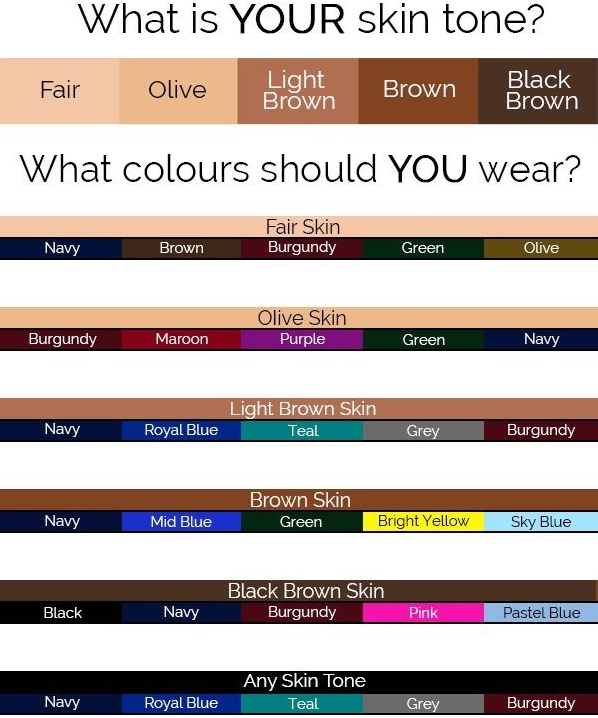
Men, like women, come in a variety of skin tones. Understanding your skin tone is key to selecting colors that will make you look your best. There are four main categories of skin tones.
The first category is fair skin. This skin tone is usually associated with individuals who have light eyes and blonde or red hair. If you have fair skin, you should opt for colors that are cool-toned, such as blues, greens, and greys. Bright colors like red and yellow may be too harsh for your complexion.
The second category is medium skin tone. This skin tone is usually associated with individuals who have dark blonde or light brown hair and light eyes. If you have a medium skin tone, you should opt for colors that are warm-toned, such as oranges, yellows, and reds. Cool-toned colors like blues and greens may wash you out.
The third category is olive skin. This skin tone is usually associated with individuals who have dark hair and eyes. If you have olive skin, you should opt for colors that are rich and earthy, such as browns, oranges, and greens. Jewel tones like emerald and sapphire can also look great on olive skin.
The fourth and final category is dark skin. This skin tone is usually associated with individuals who have dark hair and eyes. If you have dark skin, you should opt for colors that are bold and vibrant, such as bright oranges, reds, and yellows. Neutral colors like beige and brown may not be as flattering on dark skin.
Remember, these are just guidelines. Ultimately, you should wear colors that make you feel confident and comfortable. Experiment with different shades and tones to find what works best for you.
4. Best colors for warm skin tones
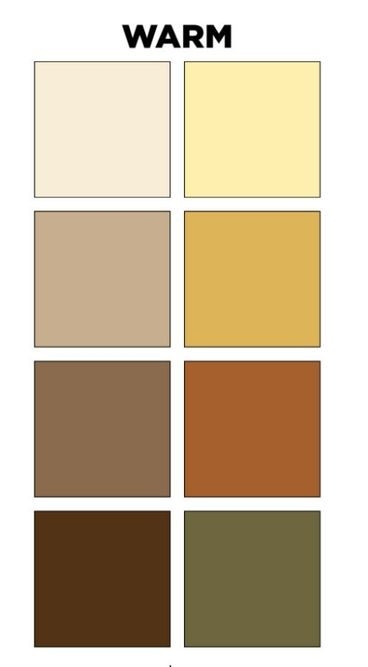
If you have a warm undertone, you’ll want to stick with colors that have warm hues, such as earthy tones, rich browns, and warm greens. Red, orange, and yellow are also great colors to consider.
One of the best colors for warm skin tones is olive. Olive green is a great choice for shirts, pants, and suits. You can also consider earthy tones like khaki, beige, and burnt orange. These colors will complement your skin tone and give you a natural, warm look.
If you want to wear brighter colors, opt for warm shades of red, orange, and yellow. For example, coral or rust are great shades of red that will look great on you. Mustard yellow or burnt orange are great shades of yellow that will complement your warm skin tone as well.
When choosing patterns, look for warm hues like green, brown, and orange. Plaid shirts with earthy tones are also a great choice. You can also consider wearing a tie with a warm color palette to add a pop of color to your outfit.
By choosing the right colors for your warm skin tone, you’ll be able to enhance your natural complexion and create a stylish and cohesive look.
5. Best colors for cool skin tones
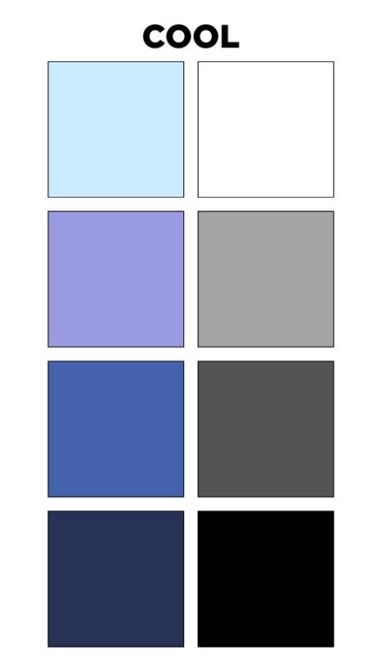
If you have a cool skin tone, you might have noticed that some colors complement you better than others. Cool skin tones have pink or blue undertones, and the best colors for them are usually cool and bright shades. Here are some of the best colors for cool skin tones:
1. Blues: Navy, royal blue, and baby blue are all great colors for cool skin tones. They complement the pink or blue undertones in your skin and make you look vibrant and fresh.
2. Greens: Forest green, emerald green, and mint green are all great choices for cool skin tones. These colors add a nice contrast to your skin tone and bring out your eyes.
3. Purples: Lavender, lilac, and deep violet are all lovely colors for cool skin tones. They add a touch of elegance and sophistication to your outfit, and complement your skin tone beautifully.
4. Grays: Cool-toned grays like charcoal and slate gray are perfect for cool skin tones. They add a touch of formality and sophistication to your outfit, and make you look sharp and put-together.
5. Pinks: Cool-toned pinks like magenta and fuchsia are great for cool skin tones. They add a pop of color to your outfit and complement your skin tone beautifully.
Remember, these are just guidelines and you should wear what makes you feel confident and comfortable. These colors will help enhance your natural features and complement your skin tone, but ultimately, it’s up to you to decide which colors you want to wear.
6. Best colors for neutral skin tones
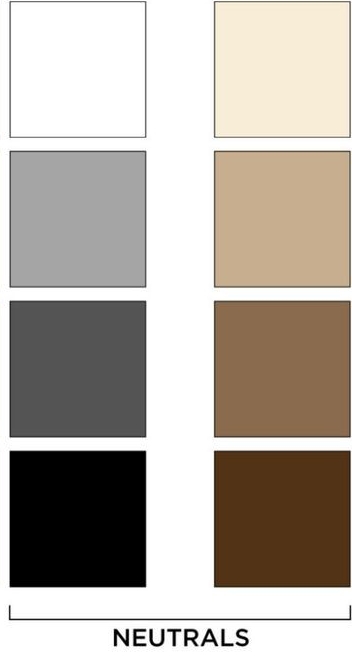
Neutral skin tones are those that don’t have any obvious warm or cool undertones. If you have a neutral skin tone, you’re one of the lucky ones who can pull off a wide range of colors without having to worry about clashing with your complexion.
Some of the best colors for neutral skin tones include earthy tones like olive green, mustard yellow, and burnt orange. These colors will add depth and richness to your skin tone without overpowering it. Bright, bold colors like royal blue, emerald green, and ruby red also work well with neutral skin tones, adding a pop of color without being too overpowering.
If you prefer lighter colors, pastel shades like baby blue, lavender, and light pink can also look great on neutral skin tones. For a more classic look, you can’t go wrong with black, white, and navy. These colors are timeless and versatile, making them a great choice for any occasion.
Remember, dressing according to your skin tone is not a hard and fast rule – it’s important to wear colors that make you feel confident and comfortable. However, keeping these tips in mind can help you make more informed decisions when it comes to choosing the colors that work best for you.
7. How to mix and match colors for your skin tone
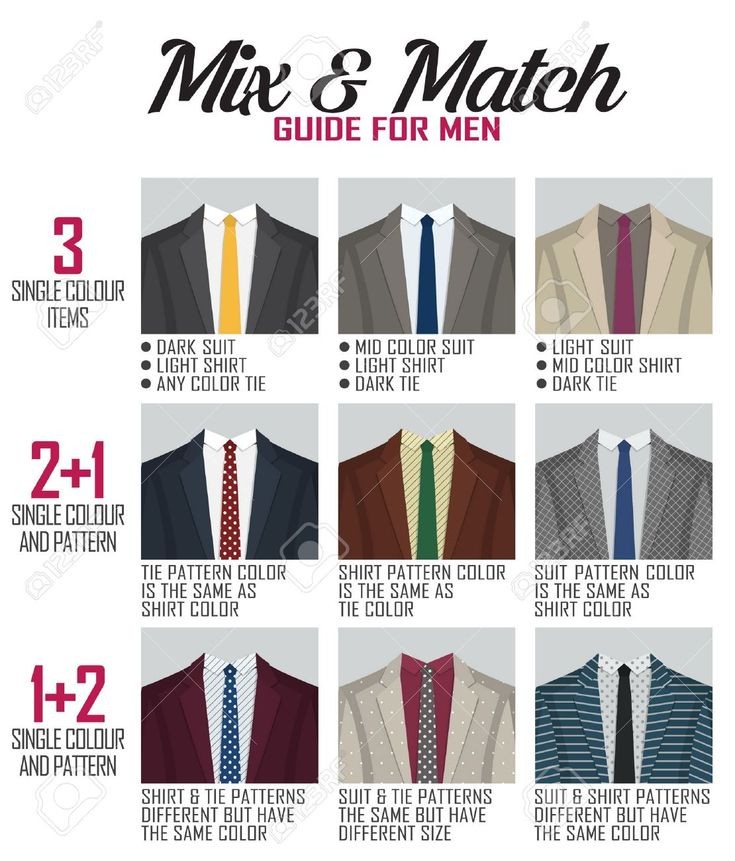
One of the trickiest parts of dressing according to your skin tone is knowing how to mix and match colors. While some colors might look great on their own, they might clash when paired with other colors. This is why it’s important to understand the color wheel and which colors complement each other.
For example, if you have a warm skin tone, you’ll want to stick to warm colors like earthy greens, oranges, and browns. You can also wear cool colors like blues and purples, but you’ll want to avoid colors that are too bright or neon.
On the other hand, if you have a cool skin tone, you’ll want to stick to cool colors like blues, greens, and purples. You can also wear warm colors like yellows and oranges, but you’ll want to avoid colors that are too warm or earthy.
When mixing and matching colors, you’ll want to choose one dominant color and then add in complementary colors. For example, if you’re wearing a green shirt, you might pair it with brown pants and a blue jacket. This creates a cohesive look without being too overwhelming.
It’s also important to pay attention to patterns and prints. If you’re wearing a patterned shirt, you’ll want to pair it with solid colors that complement the colors in the pattern. And if you’re wearing a brightly colored jacket, you might want to keep the rest of your outfit neutral so that the jacket can be the focal point.
By understanding how to mix and match colors for your skin tone, you can create a wardrobe that looks great on you and makes you feel confident and stylish.
8. What to avoid when dressing for your skin tone
Knowing what to avoid is just as important as knowing what to wear when it comes to dressing for your skin tone. So, let’s dive into some things you should avoid when it comes to dressing for your skin tone.
First and foremost, avoid wearing colors that wash you out. This can happen when you wear colors that clash with your skin tone, making you look pale or sickly. For example, if you have a cool skin tone, avoid wearing warm colors like yellow and orange as they can make you look washed out.
Secondly, avoid wearing colors that highlight any redness or sallowness in your skin. If you have a lot of redness in your skin, avoid wearing colors that also have a lot of red in them like burgundy or maroon. Similarly, if you have sallow skin, avoid wearing colors that have a lot of green in them like olive or khaki.
Thirdly, avoid wearing colors that clash with the colors of your eyes or hair. You want to make sure that your outfit complements your natural features, not clashes with them. For example, if you have blue eyes, avoid wearing colors like blue or grey as they can make your eyes look dull.
Lastly, avoid wearing clothes that don’t fit properly. No matter how great the color or style is, if it doesn’t fit properly, it won’t look good on you. Make sure you get your clothes tailored to fit you properly, as this can make a huge difference in how you look and feel in your clothes.
9. Dressing for formal occasions
When it comes to dressing for formal occasions, it’s important to keep in mind the event, the location, and the dress code. The key is to look sharp and stylish while keeping it appropriate.
For lighter skin tones, classic black or navy suits are always a safe bet. These colors complement the skin tone and give a polished look. A crisp white shirt adds an elegant touch to the ensemble.
For those with medium skin tones, a charcoal or dark grey suit paired with a light blue or lavender shirt creates a sophisticated look. You can also experiment with patterns such as pinstripes or checks to add some flair.
For those with darker skin tones, a deep navy or midnight blue suit is a great option. A white or light-colored shirt creates a striking contrast. You can also opt for a tuxedo for a more formal event.
Accessories such as ties and pocket squares can add a pop of color and personality to your outfit. Stick to classic patterns such as stripes or polka dots in complementary colors. Shoes should be polished and match the color of the suit.
Remember, when it comes to formal occasions, it’s better to be overdressed than underdressed. A well-fitted suit and attention to detail will make you stand out in a crowd.
10. Grooming tips for men’s skin tones
When it comes to grooming, it’s not just about dressing up to match your skin tone but also taking care of your skin. Men’s skincare is often neglected but it shouldn’t be. The right grooming routine can help you look and feel your best.
For men with fair skin, it’s important to avoid products that are too harsh and can cause irritation. Choose a gentle cleanser and moisturizer with SPF to protect your skin from the sun’s harmful rays. If you have a beard, make sure to keep it well-trimmed and conditioned to avoid any unruliness that can detract from your overall appearance.
Men with medium skin tones should focus on keeping their skin hydrated, especially during the colder months. Moisturize regularly and use an exfoliating scrub once a week to remove dead skin cells and reveal a brighter complexion. If you have a mustache or a beard, make sure to condition it to avoid any itchiness or dryness.
For men with dark skin, it’s important to prevent ingrown hairs and razor bumps. Use a pre-shave oil to soften the hair and follow up with a shaving cream that’s specifically formulated for your skin type. After shaving, use an aftershave balm to soothe the skin and reduce any inflammation. Moisturize regularly to keep your skin hydrated and glowing.
Overall, taking care of your skin is just as important as choosing the right clothes that match your skin tone. With the right grooming routine, you can look and feel confident in your own skin.
11. Conclusion and final tips for dressing well according to your skin tone.
In conclusion, dressing according to your skin tone can make a huge difference in how you look and feel. It’s important to understand which colors work best for you and to choose clothing that complements your natural skin tone.
When it comes to choosing colors, remember that darker shades work well for those with darker skin tones, while lighter shades work well for those with lighter skin tones. However, this doesn’t mean that you should limit yourself to only wearing certain colors. Experiment with different shades and see what works best for you.
Another important tip is to choose clothing that fits well. No matter how great the color or pattern is, ill-fitting clothing can ruin your entire look. It’s worth investing in clothing that fits you well or getting it tailored to fit properly.
Lastly, don’t forget to accessorize. Small details such as a watch, belt, or pocket square can elevate your outfit and tie everything together.
By following these tips and understanding how to dress according to your skin tone, you can create a wardrobe that makes you look and feel your best.
We hope you enjoyed our ultimate guide to dressing according to your skin tone for the men’s edition. While it may seem like a daunting task, dressing for your skin tone can be a simple and effective way to elevate your style. By following the tips and tricks we provided, you can easily build a wardrobe that complements your skin tone and brings out the best in you. Don’t forget to experiment with different color combinations and styles to find what suits you best. Thank you for reading, and happy shopping!
 BOWL OF FASHION